




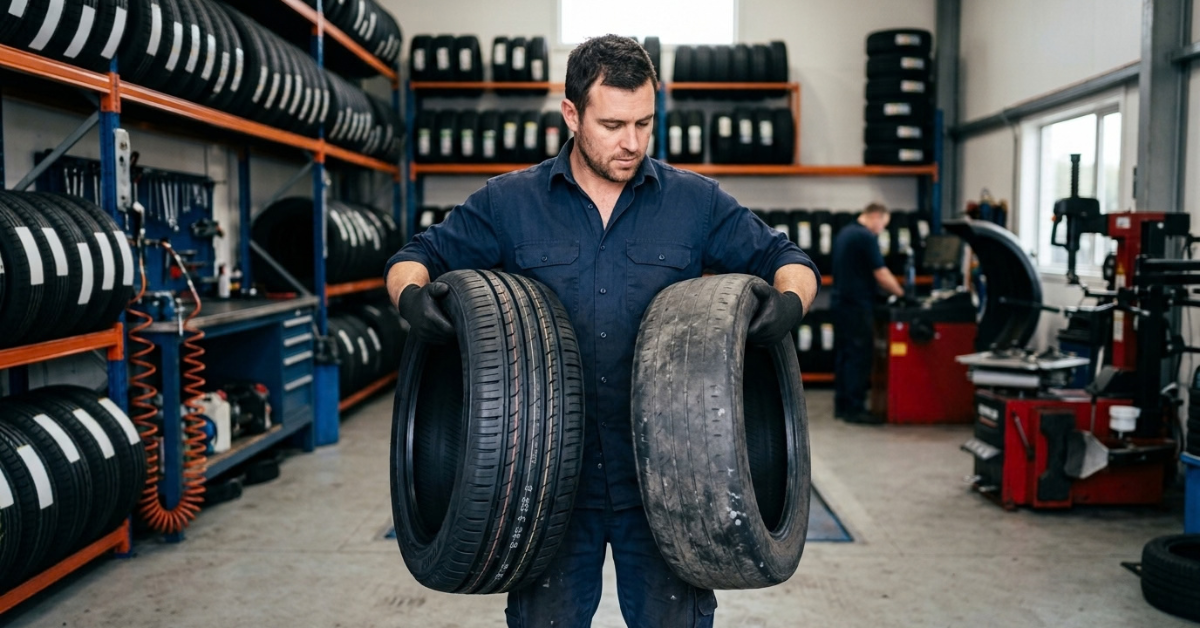

Tyre service vs tyre replacement is a question every Dubai driver faces sooner or later, and getting it wrong costs you either money or safety. Tyre service means maintaining, repairing or fitting a tyre that is still sound.
Tyre replacement means fitting a completely new tyre because the old one is no longer safe to repair. Dubai heat, long highway driving and rough construction sites make these decisions come up more often here than in cooler countries. This guide walks through the real difference, the rule professionals actually use, and how to decide with confidence.
Key Takeaways
- Tyre service covers repair, balancing, rotation and pressure checks on a tyre that is still safe.
- Tyre replacement means fitting a new tyre because the damage or wear is beyond safe repair.
- A repair on the tread, done properly, can last the rest of the tyre’s life.
- Sidewall damage, tyres over 5 years old, or tread below 1.6 mm always mean replacement.
- New tyre diameter should stay within about 3% of the original size to avoid handling issues.
What is a tyre service?

A tyre service is any maintenance or repair work that keeps an existing tyre safe to use, rather than replacing it. This includes puncture repair, wheel balancing, rotation, pressure checks and alignment support. A good tyre service also includes an inspection, so the technician can tell you honestly if the tyre is still repairable or if it has moved past that point.
Common tyre services include:
- Tyre puncture repair using a plug-and-patch method
- Wheel balancing after a repair or new fitting
- Tyre rotation to even out wear
- Pressure and tread depth checks
- Visual inspection for cracks, bulges or uneven wear
What is tyre replacement?
Tyre replacement means removing the old tyre completely and fitting a new one, because the existing tyre cannot be made safe again. This is needed when damage is outside the repairable zone, when tread wear has reached the legal limit, or when the tyre has simply aged past a safe point, regardless of how much tread is left. Tyre replacement is necessary when the old tyre is too worn, cracked, or damaged to trust on the road. In Dubai, heat, long highway distances and busy city driving all speed up this wear compared with cooler climates.
Tyre service vs tyre replacement: the real difference

The real difference between tyre service and tyre replacement comes down to one question: can the tyre still be trusted at highway speed after the fix. Service is cheaper, faster and extends the life of a tyre that is fundamentally sound. Replacement costs more upfront but is the only safe option once a tyre has crossed certain limits.
| Tyre Service | Tyre Replacement | |
|---|---|---|
| What it does | Repairs, maintains or checks an existing tyre | Removes the old tyre and fits a new one |
| Typical cost in Dubai | About AED 75 to 150 for a puncture repair | About AED 200 to 1,200 depending on brand and size |
| Time needed | Usually 10 to 30 minutes | Usually 20 to 45 minutes |
| Best for | Tread punctures under about 6 mm, minor wear | Sidewall damage, tyres over 5 years, tread near the limit |
| Long-term effect | Extends the tyre’s usable life | Resets the tyre’s full lifespan |
The rule professionals actually use to decide
Certified technicians decide between service and replacement using tyre age, tread depth, damage location and damage size, not guesswork. A puncture in the central tread under about 6 mm is usually repairable. Anything on the sidewall, or a tyre with two close punctures, worn tread, or visible cracking, points straight to replacement.
Replace the tyre, do not attempt a repair, when any of these are true:
- The damage is on the sidewall or shoulder, not the central tread
- The cut or puncture is larger than about 6 mm
- There are two or more punctures close together
- The tyre is older than 5 years from its manufacture date
- Tread depth is at or near the UAE legal minimum of 1.6 mm
- There is a visible bulge, crack, or exposed wire
What is the 3% rule, and why does it matter here?
The 3% rule is an industry standard that says a replacement tyre’s overall diameter should stay within about 3% of the tyre that originally came with the car. It matters for tyre replacement because going outside that range can throw off your speedometer, odometer, ABS and traction control, since these all rely on accurate wheel speed data.
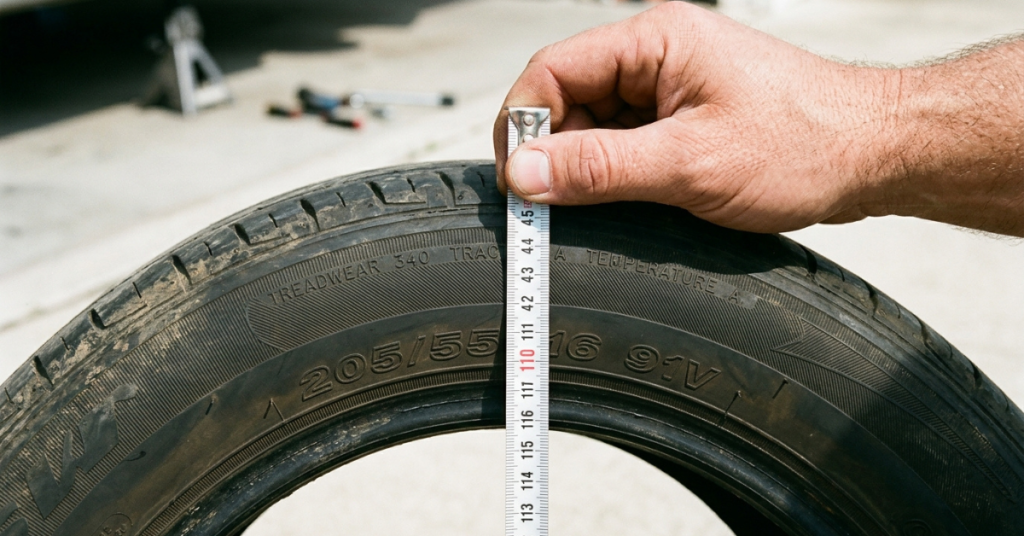
When you replace a tyre, especially if you are tempted by a different size, staying within the 3% rule keeps these safety systems working correctly. This rule applies to replacement decisions, not to a straightforward repair, since a repaired tyre keeps its original size.
Is it better to repair a tyre or replace it?
It is better to repair a tyre when the damage is a small, central tread puncture and the tyre is otherwise in good condition, and better to replace it when the damage is on the sidewall, the tyre is old, or the tread is worn close to the limit. Repairing a tyre that truly needs replacing risks a blowout later. Replacing a tyre that only needed a repair wastes money you did not have to spend. Always base the decision on a proper inspection, not on cost alone.
How long will a tyre last after a puncture repair?
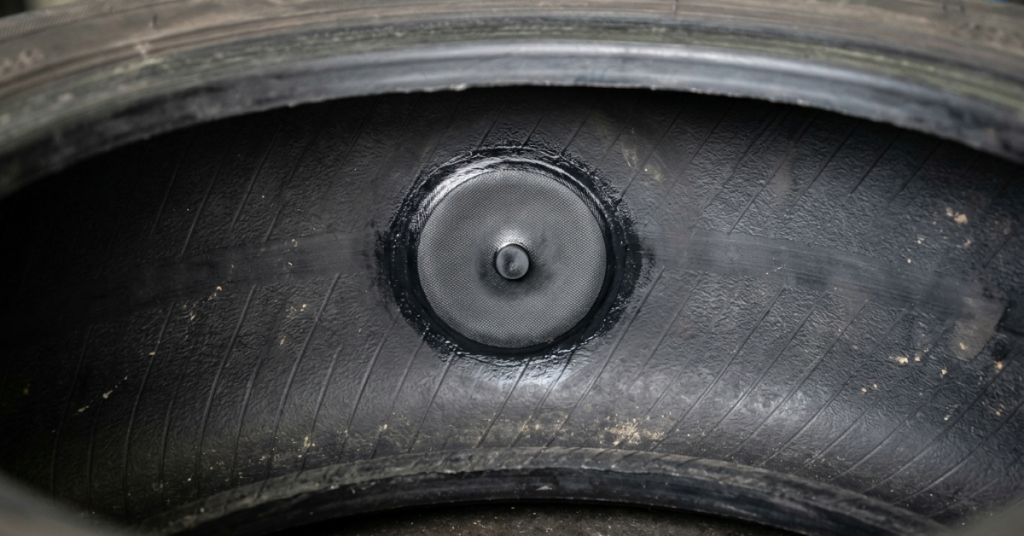
A tyre repaired correctly with a proper plug-and-patch can last for the remaining life of the tyre, often tens of thousands of kilometres, as long as the puncture was in the repairable tread zone. A quick external plug alone is weaker and is best treated as a temporary fix rather than a permanent one, in line with tyre industry repair standards. Ask for a plug-and-patch repair, not a plug alone, if you want the fix to last.
Should you replace both tyres, or all four?
You do not always need to replace more than one tyre, but on all-wheel-drive or four-wheel-drive vehicles, mismatched tread depth between axles can strain the drivetrain, so replacing tyres in pairs or as a full set is often recommended. On front-wheel or rear-wheel drive cars with mostly even wear, replacing a single damaged tyre is usually fine, as long as the remaining tyres are close in tread depth and age.
Frequently Asked Questions
What is a tyre service?
A tyre service is maintenance or repair work on an existing tyre, such as puncture repair, balancing, rotation and pressure checks, done to keep a tyre that is still sound safely on the road.
What is the 3% rule for tyres?
The 3% rule says a replacement tyre’s overall diameter should stay within about 3% of the original factory tyre size. Going beyond this can affect your speedometer, odometer, ABS and traction control, since they rely on accurate wheel speed readings.
What is the difference between tyre service and tyre replacement?
Tyre service repairs or maintains a tyre that is still safe to use, while tyre replacement fits a completely new tyre because the old one is damaged or worn beyond a safe repair. Service is cheaper and faster, replacement resets the tyre’s full lifespan.
Is it better to repair a tyre or replace it?
It is better to repair a small, central tread puncture on an otherwise healthy tyre, and better to replace a tyre with sidewall damage, heavy wear, or age over 5 years. A proper inspection should guide the decision, not cost alone.
How long will a tyre last after puncture repair?
A correctly done plug-and-patch repair can last the remaining life of the tyre, often tens of thousands of kilometres. A quick external plug alone is weaker and should be treated as temporary.
Should I replace both tyres?
Not always. On front or rear-wheel drive cars with even wear, replacing just the damaged tyre is usually fine. On all-wheel or four-wheel drive vehicles, replacing tyres in pairs or as a full set is often safer, since mismatched tread depth can strain the drivetrain.
Conclusion
Tyre service vs tyre replacement does not have to be a guessing game. Service keeps a sound tyre safe and saves you money. Replacement is the only right answer once damage, age or wear crosses a clear line.
In Dubai’s heat and long drives, get every tyre properly inspected before you decide, and never choose based on price alone. Need a professional opinion right now? Call or WhatsApp 800 TYRE on +971 55 155 6030 and we will tell you honestly whether your tyre needs a repair or a replacement.


